A quiet buffer forest on the southern edge of Jim Corbett, believed to be where Sita spent her exile — and the only zone that stays open through the monsoon.
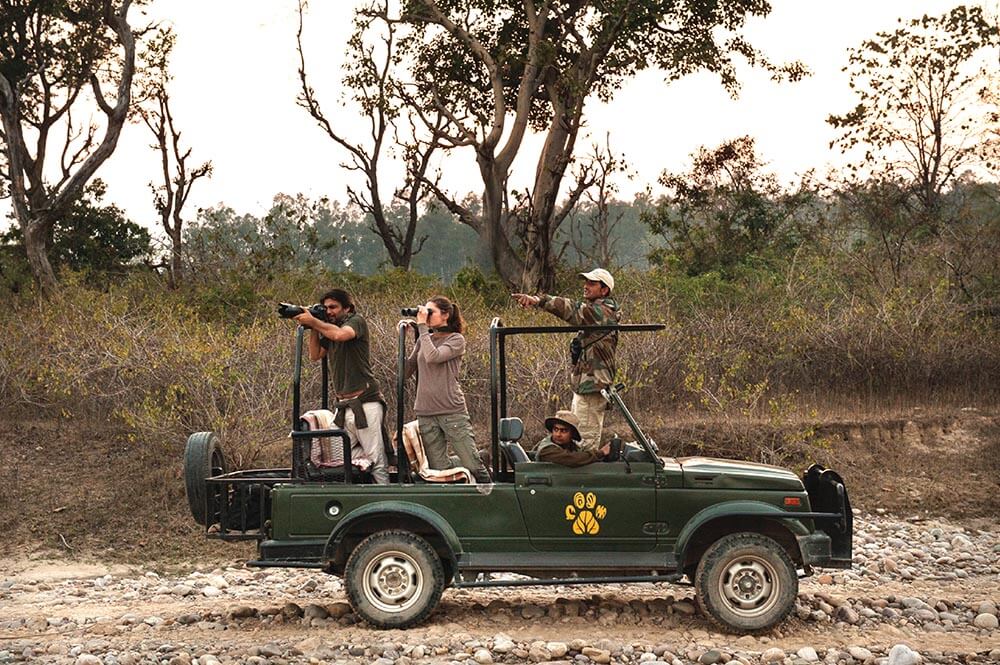
Sitavani (also spelled Sitabani) lies on the southern fringe of Jim Corbett National Park, along the eastern bank of the Kosi river. Unlike the park's five core tourism zones, it falls outside the Corbett Tiger Reserve and is managed instead by the Uttarakhand Forest Department — which means calmer rules, flexible jeep entry, and a noticeably quieter forest.
The zone takes its name from the belief that Goddess Sita, wife of Lord Rama, spent part of her exile here at Sage Valmiki's ashram, raising her twin sons Luv and Kush deep in this forest. The ancient Sitavani Temple — protected as a monument by the Archaeological Survey of India — still stands here beside a natural sulphur spring, drawing pilgrims and wildlife travellers alike.
Spread across sal, teak and riverine forest, Sitavani shelters over 600 species of trees, shrubs and orchids, and sits directly on the Trans-Himalayan birding corridor — making it one of the finest birdwatching zones anywhere in the Corbett landscape.
A slower, more contemplative side of the Corbett landscape.
An ASI-protected ancient temple deep in the forest, believed to mark the site of Valmiki's ashram where Sita raised Luv and Kush.
A natural spring beside the temple, long believed by locals to carry healing properties — a peaceful stop on the pilgrim circuit.
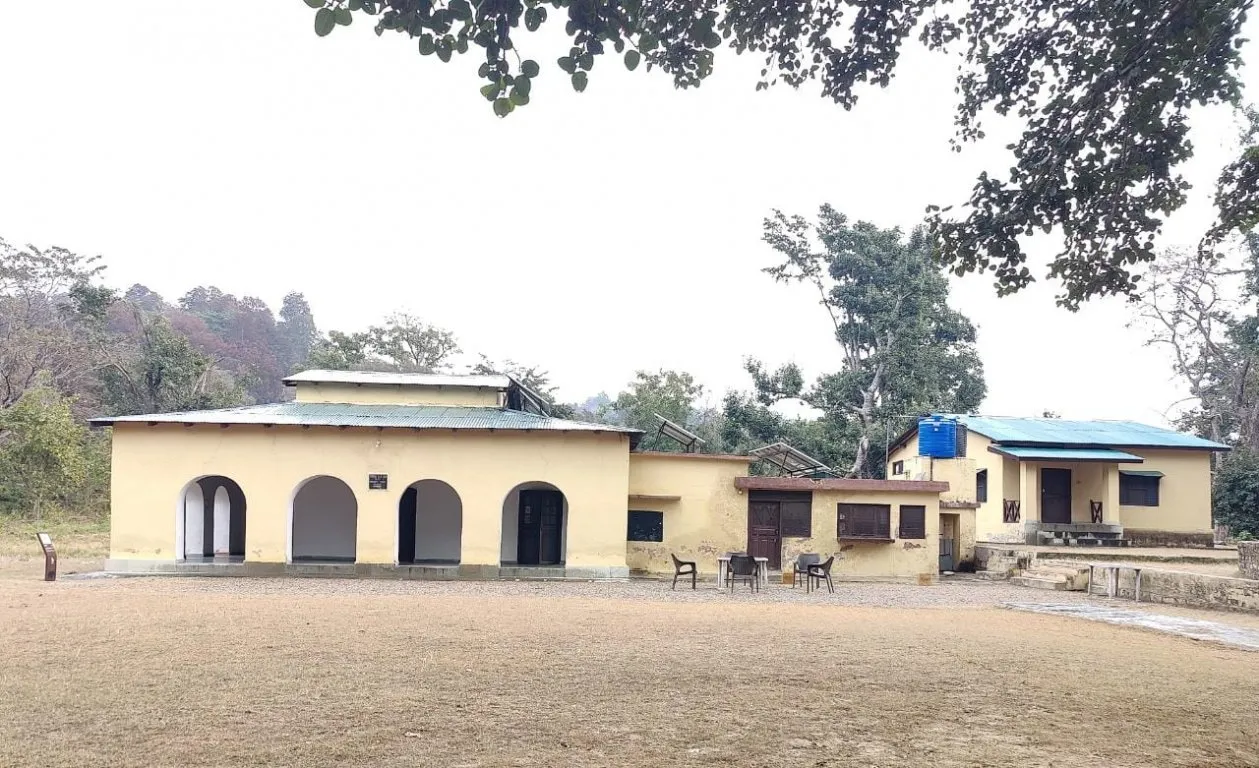
A birdwatching tower within the Sitabani Forest Rest House compound, offering wide views over the canopy and riverbanks.
Home to over 600 species of trees, shrubs, bamboos and orchids — among the most botanically diverse stretches in the Corbett landscape.
Seasonal streams cross the safari route, offering shaded rest stops and reliable wildlife activity along their banks.
The village Jim Corbett himself helped settle, close to the reserve — a quiet link to the naturalist the entire park is named after.
Every Sitavani safari begins here, at the entry gate that opens onto the whole reserve.
Bhandarpani village, roughly 18 km from the Ramnagar barrage, is home to the main entry gate for the entire Sitavani reserve. Sitting in the southern part of the forest, Bhandarpani Gate opens onto the heart of the reserve, connecting travellers to the temple, the FRH, and the wider Corbett landscape beyond.
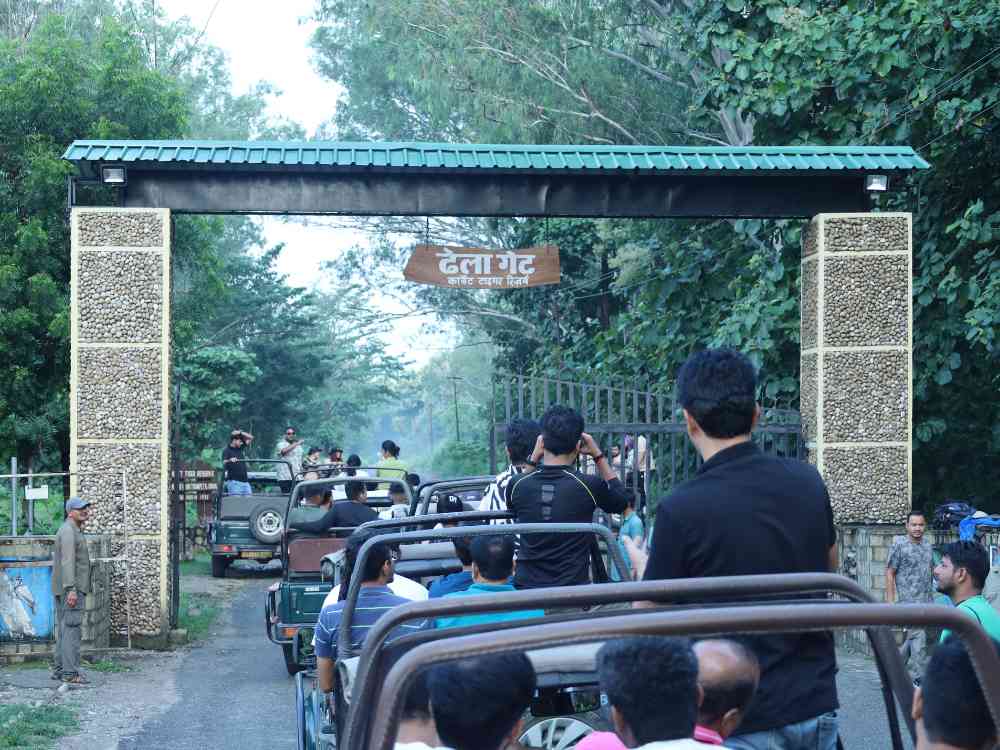
A forest road links Bhandarpani directly to Sitabani, and it doubles as one of two access routes into the zone — the other being Teda Gate, with visitors typically exiting via Pawalgarh Gate on the far side, roughly 42 km along a one-way safari route.
Because Bhandarpani sits at a lower, more open elevation than the temple area, it's often the first place travellers spot deer, peacocks and langurs before the forest thickens further in.
| Period | Conditions | Highlights | Tip |
|---|---|---|---|
| Nov – Feb | Cool, clear, excellent visibility | Peak birding season, migratory species arrive | Carry warm layers for early morning safaris |
| Mar – Jun | Warm, dry, forest thins out | Better mammal sightings near streams | Book the early morning slot to beat the heat |
| Jul – Oct | Monsoon; lush, streams full | One of the only zones open in this window | Expect muddy tracks; confirm road conditions ahead |
Bhandarpani Gate lies about 18 km from the Ramnagar barrage; the Sitabani FRH itself is roughly 27 km away via Powalgarh Road.
Safaris enter via Bhandarpani or Teda Gate and typically exit at Pawalgarh Gate — a one-way route of around 42 km through the reserve.
Ramnagar Railway Station is the closest rail link, well connected to Delhi and Moradabad, roughly 30–40 minutes from Bhandarpani.
Pantnagar Airport, around 65 km away, connects to Delhi with taxis available for the onward drive.
No Corbett Tiger Reserve permit is needed — the Sitabani Forest Department issues entry directly at the Bhandarpani gate.
Bhandarpani village, southern edge of the Sitavani reserve, Nainital district, Uttarakhand.
Book your jeep in advance — a Gypsy is mandatory for the safari, and the Sitabani Forest Department issues the entry slip at Bhandarpani Gate itself.
Bring binoculars for birding — with 500+ recorded species, Sitavani rewards patient, quiet observation far more than fast driving.
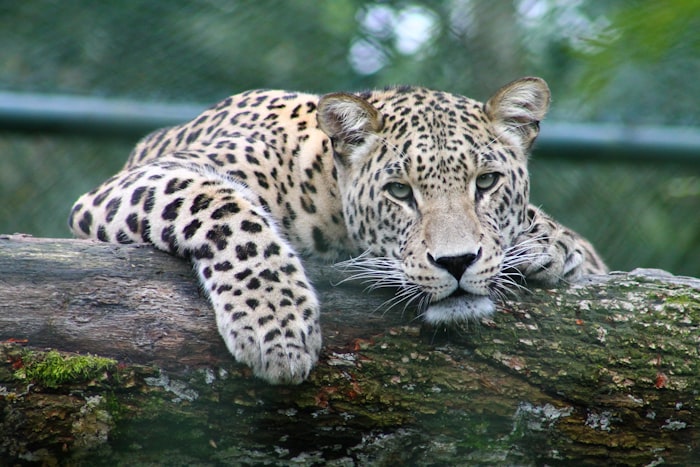
Don't come only for tigers — sightings are rare here; the real draw is the forest's stillness, birdlife and mythology.
Plan the one-way route — most safaris enter at Bhandarpani or Teda and exit at Pawalgarh, roughly 42 km apart, so arrange return transport ahead of time.
Visit in monsoon if other zones are closed — Sitavani is one of the few Corbett-landscape zones that stays open July through October.
Respect the temple's sanctity — Sitavani Temple is an active pilgrimage site as well as a wildlife-zone stop; keep noise low near the shrine.
No — Sitavani is a buffer forest managed by the Uttarakhand Forest Department, not the Corbett Tiger Reserve authority. This means no CTR permit is needed; entry permits are issued directly at Bhandarpani Gate.
Bhandarpani village sits about 18 km from the Ramnagar barrage and serves as the main entry point to the Sitavani reserve, in the southern part of the zone.
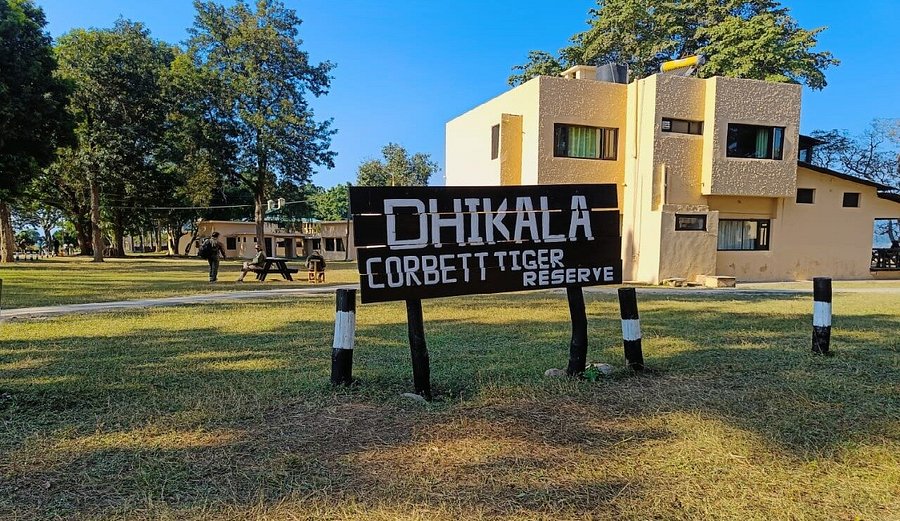
Yes. Unlike Dhikala, Bijrani and Phato, Sitavani remains open year-round, including the July–October monsoon period when most core Corbett zones are closed.
It's possible but uncommon — tiger sightings are rare here compared to zones like Bijrani. Sitavani is better known for birdwatching, forest walks and its mythological temple.
It's typically a one-way route of about 42 km, entering via Bhandarpani or Teda Gate and exiting at Pawalgarh Gate — so return transport needs to be arranged in advance.
Let our team arrange your jeep, permits and route — from the Bhandarpani entry gate through to the ancient Sitavani Temple.
Send an Enquiry →