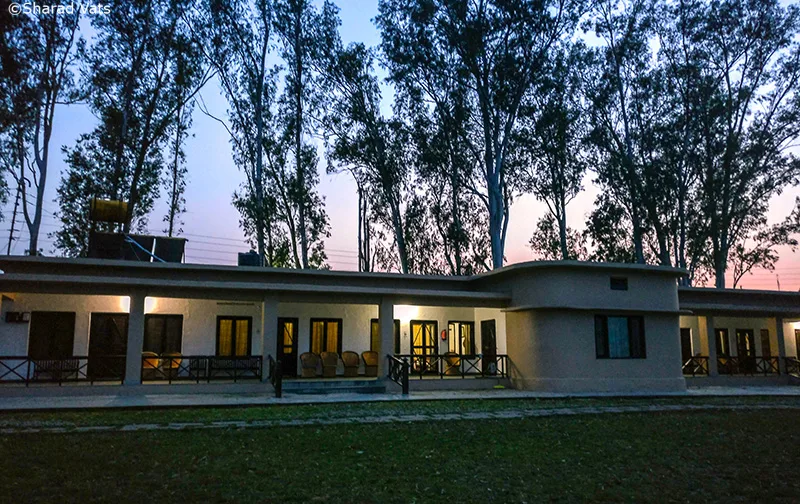
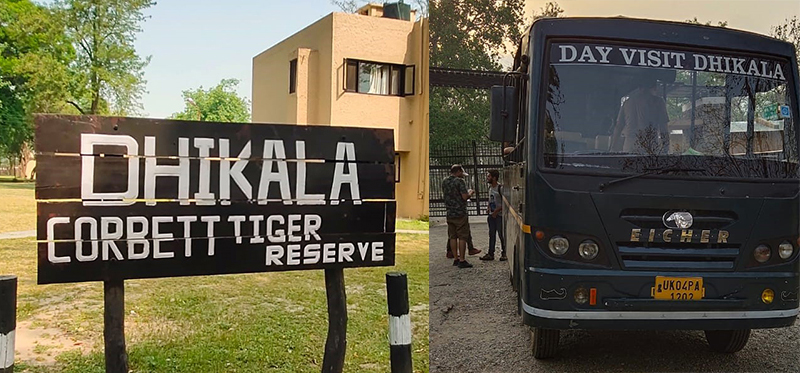
190 sq km of prime wilderness overlooking the Ramganga reservoir — Corbett's most storied safari destination since 1936
THE ZONE
Dhikala is the oldest and largest of Jim Corbett National Park's five safari zones, spanning 190 square kilometres of the park's core area. Established when the reserve first opened in 1936, it has been drawing naturalists and tiger-watchers ever since — and for good reason.
The zone is defined by its vast chaur grasslands — open, marshy meadows that stretch to the edge of the Ramganga reservoir. These grasslands are prime tiger habitat: prey is plentiful, sight lines are long, and the cats that hunt here are often large, habituated individuals unafraid of safari vehicles.
The Ramganga reservoir, which fills from the river of the same name, transforms the landscape seasonally. In the dry months of March through May, animals are drawn to its receding banks in extraordinary concentrations — this is when Dhikala earns its reputation as Corbett's finest safari experience. Mugger crocodiles line the mudflats; elephants wade at dawn; osprey and fishing eagles work the open water.
Uniquely among Corbett's zones, Dhikala has a Forest Rest House within the core area itself, allowing overnight stays inside the park. To spend an evening listening to the jungle after the day-trippers have left is to understand why people return here year after year.
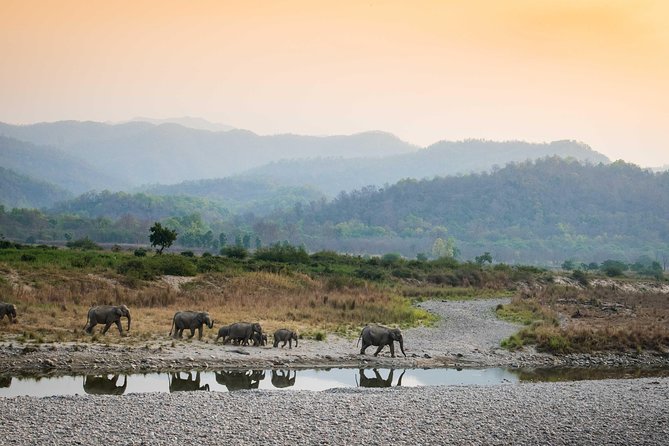
Elephant herd near the Ramganga reservoir — sightings like this are routine in Dhikala's chaur grasslands
WILDLIFE
Dhikala's mix of open grasslands, dense sal forest, and river habitat supports an exceptional diversity of species. Tigers are the primary draw, but the supporting cast is equally compelling.
The apex predator and primary draw. Dhikala hosts the highest concentration of tigers in Corbett, and sightings are relatively frequent — particularly on the main chaur and along the reservoir edge in the dry months.
Herds of 20 to 50 individuals are common near the chaur grasslands and reservoir edges. Corbett holds one of the largest elephant populations in northern India, and encounters here can be extraordinary in scale.
Bask on the Ramganga mudflats in numbers that become increasingly impressive as water levels drop. Best spotted on early morning drives along the reservoir banks before the heat sends them into the water.
Critically endangered and rare, a small population survives in the calmer upper stretches of the Ramganga. Identifiable by their long, slender snout, spotting one here is a genuinely special sighting.
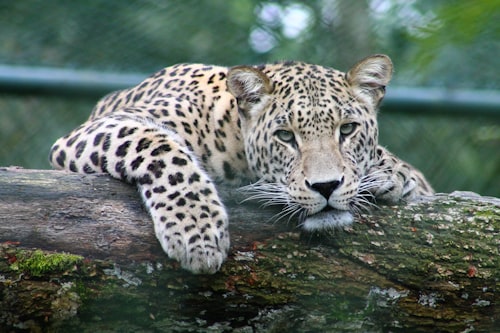
Elusive but present throughout the forested ridgelines surrounding Dhikala. Dawn and dusk near rocky outcrops offer the best chance — they are rarely seen on the open chaur where tigers dominate.
From osprey and fishing eagles working the reservoir to pied hornbills calling across the sal canopy, Dhikala is a premier birding destination. The winter months bring significant migratory waterfowl to the reservoir.
WHEN TO VISIT
Dhikala follows a seasonal schedule dictated by the monsoon. The park closes from July through mid-October to allow forest regeneration and protect wildlife during the breeding season.
| Month | Status | Wildlife Activity | Crowds |
|---|---|---|---|
| October | Open | Excellent — post-monsoon lush vegetation, animals active after closure | Low |
| November | Open | Very Good — cool, clear skies; excellent birding as winter migrants arrive | Medium |
| December | Open | Very Good — cold mornings; tigers active in daylight hours; reservoir birds peak | Medium |
| January | Open | Very Good — peak winter; forest clear; elephant and tiger both visible | Medium |
| February | Open | Very Good — crisp and clear; vegetation thinning; sightings improving | Medium |
| March | Open | Best — animals congregating near water; tiger sightings peak | High |
| April | Open | Best — reservoir recedes; crocodiles, elephants, tigers all near water | High |
| May | Open | Best — peak season; animals most concentrated; highest tiger sighting rate | High |
| June | Open | Good — very hot (38–42°C) but excellent sightings continue; pre-monsoon tension | Low |
| July – September | Closed | Park closed for monsoon season — roads impassable, park regenerating | — |
TIPS
Dhikala rewards preparation. These seven points will make the difference between a frustrating visit and an unforgettable one.
Book canter safaris 90 days in advance at corbettonline.uk.gov.in — seats disappear within hours of the booking window opening.
Wear muted earth tones — khaki, olive, brown, grey. Avoid bright colours and white, which alert wildlife and reduce sighting quality for the vehicle.
Maintain absolute silence during the safari. Voices carry far in the forest. The best sightings always happen when a vehicle is quiet.
No plastic bags or single-use plastic are permitted inside the park. Decant snacks and water before you enter the gate.
Carry binoculars — a 10×42 is ideal for spotting tigers lying in tall grass at 200 metres. A telephoto lens of at least 400mm suits most wildlife photography.
Arrive at the gate 30 minutes before your slot opens. Latecomers risk forfeiting their booking — the forest department is strict on timing.
Do not alight from the vehicle at any point inside the park. This is both illegal and genuinely dangerous — tigers and elephants are not habituated to pedestrians.
BOOK NOW
Fill in your details and our team will confirm availability within 24 hours. We handle all logistics — park permits, gate entry, and naturalist guides — so you arrive ready to spot tigers.
Your booking request has been received! We'll contact you within 24 hours to confirm your Dhikala safari and arrange all permits and logistics.
FAQ