Corbett Tourism - Jim Corbett National Park

Jim Corbett Safari Zones —
Know Before You Go

Jim Corbett National Park is divided into 5 distinct safari zones, each with a unique character, wildlife composition, and seasonal status. Understanding each zone ensures you choose the right safari for your wildlife goals.

Choose Your Safari Zone

Each zone offers a distinct wildlife experience. Click any zone for the full detailed guide.

Dhikala Zone ⭐ Crown Jewel

🏕️ Dhikala Zone

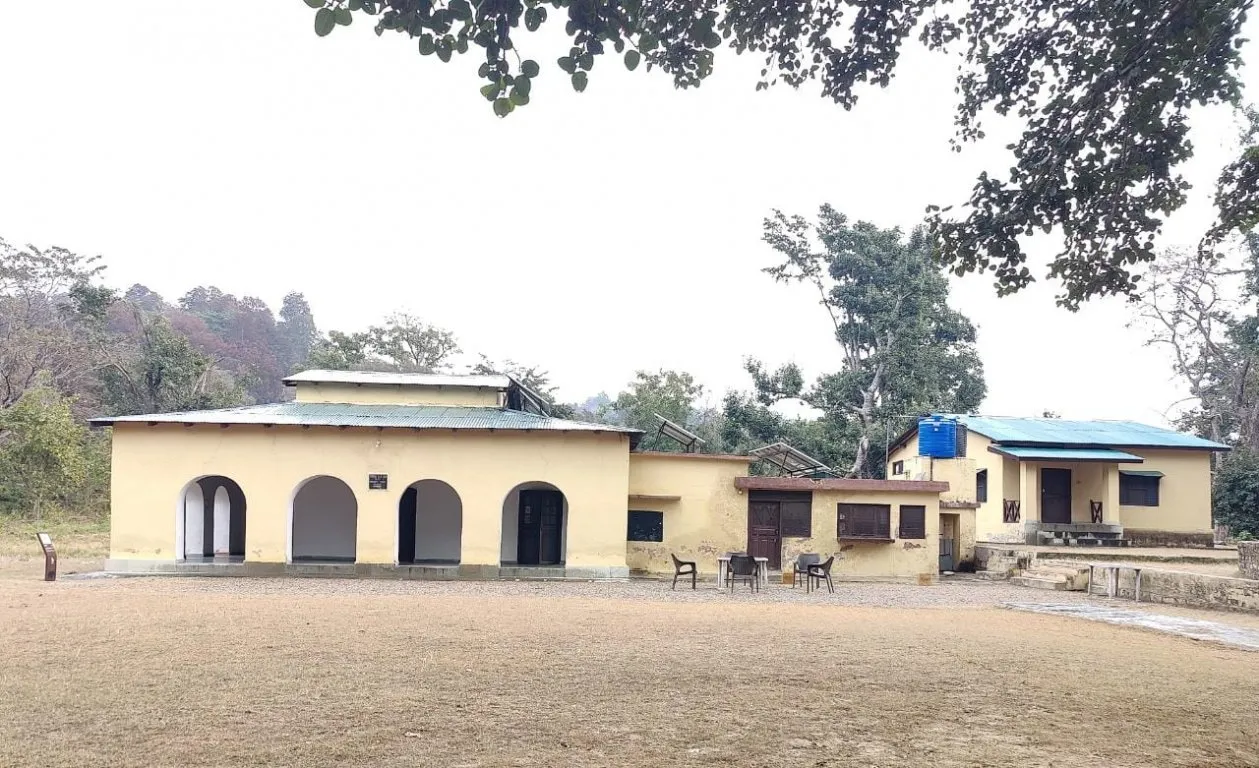
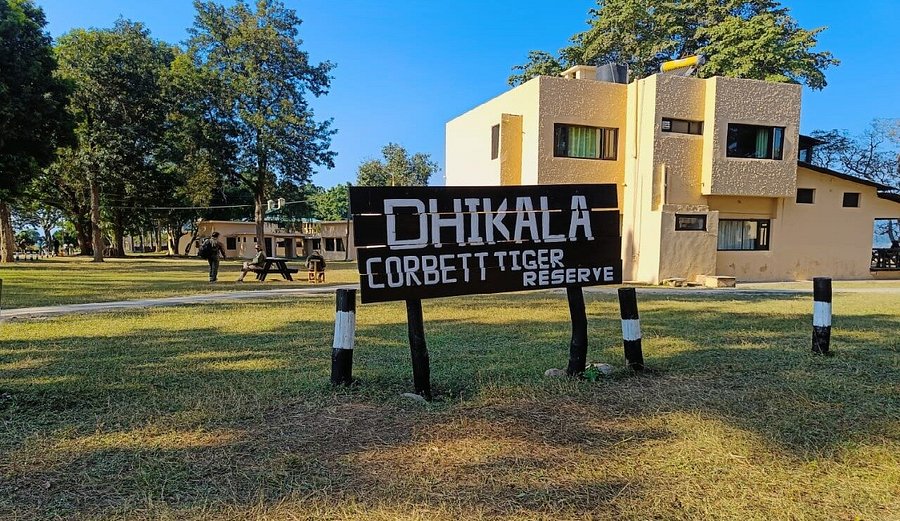
Corbett's most famous and vast zone — 190 sq km of open grasslands (chaurs), dense sal forest, and the Ramganga reservoir. Highest tiger density in the park. Only zone with overnight FRH stays and canter safaris.

SeasonNov–Jun
Area190 km²
Tiger Rating★★★★★
🐯 Tiger 🐘 Elephant 🐊 Crocodile 🦌 Sambar
Full Zone Guide →
Bijrani Zone 🐯 Best for Tiger

🌿 Bijrani Zone

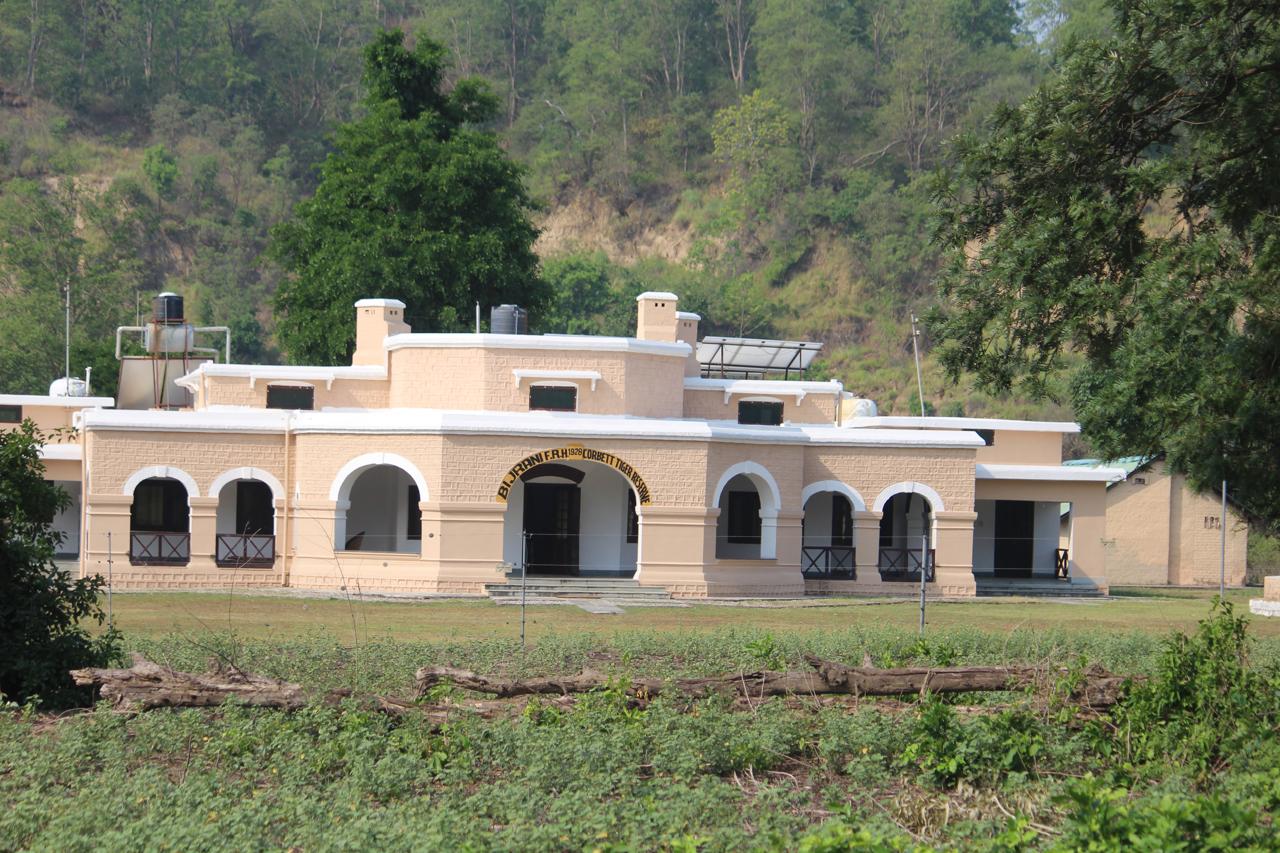
Most popular jeep safari zone. Dense sal forest corridors, the seasonal Bijrani stream, and open chaurs create ideal tiger habitat. Highest probability of tiger sightings of any jeep-accessible zone.

SeasonNov–Jun
Area45 km²
Tiger Rating★★★★★
🐯 Tiger 🐆 Leopard 🦌 Chital 🐗 Wild Boar
Full Zone Guide →
Jhirna Zone 📅 Year-Round Open

🐻 Jhirna Zone

The only Corbett zone open 12 months of the year — even during monsoon. Famous for Sloth Bear sightings (highest density in Corbett), Nilgai, Jungle Cats, and exceptional birdlife on open grassland terrain.

SeasonYear-Round
Area15 km²
Sloth Bear★★★★★
🐻 Sloth Bear 🦬 Nilgai 🐆 Leopard 🦅 Birds
Full Zone Guide →
Dhela Zone 🌄 Buffer Zone

🌄 Dhela Zone

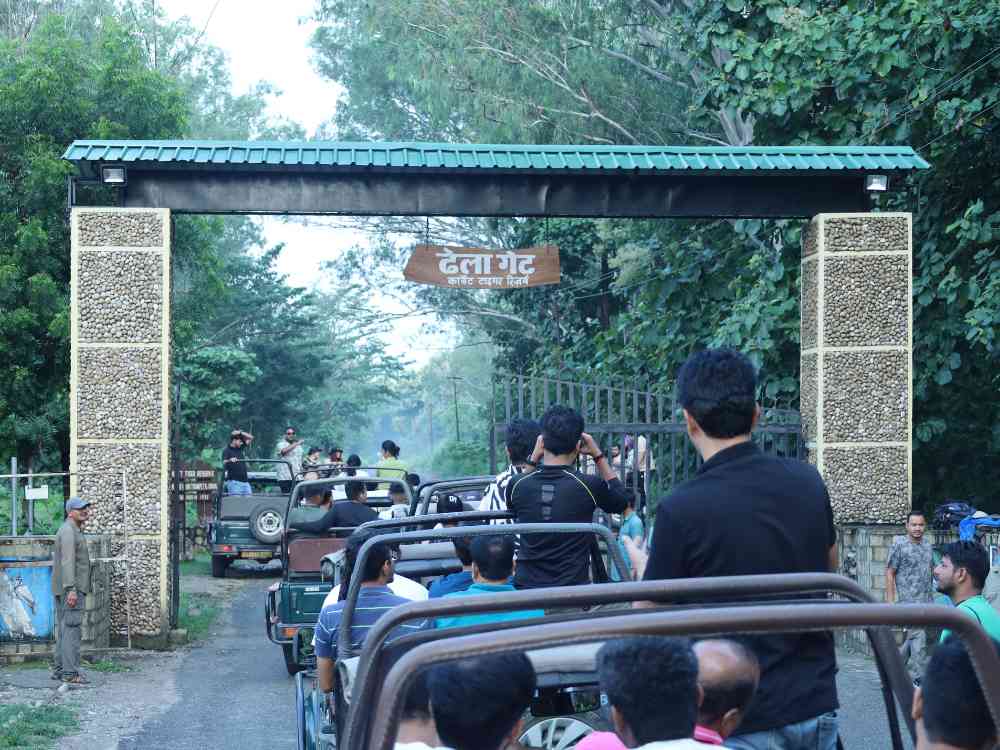
A buffer zone on the southern fringe of Corbett — less crowded than core zones, with excellent biodiversity. Wild elephants, Hog Deer, and riverine bird species are regular sightings. Good value safari option.

SeasonNov–Jun
Area27 km²
Elephant★★★★☆
🐘 Elephant 🦌 Hog Deer 🦅 Birds 🐊 Crocodile
Full Zone Guide →

🦅 Phato Zone — Corbett's Hidden Gem

The least visited and most serene of Corbett's zones. Phato is located in the northeast, accessible from Phato Gate near Marchula. Known for its pristine riverine forest, peaceful atmospherics, and excellent birdwatching. An expert birder's paradise — Great Hornbill, Crested Serpent Eagle, and Pied Kingfisher are regular sightings. Low tiger probability but incredible wilderness solitude.

🦅 Full Zone Guide → Season: Nov–Jun · Best for: Birdwatching, Wilderness Photography

Plan Your Perfect Safari

Expert tips from our naturalists to maximise your wildlife sighting chances.

Best Time: 5–8 AM

The first 3 hours after sunrise are peak wildlife activity. Tigers hunt at night and return to shaded spots by 9 AM. Dawn is when fresh pugmarks, alarm calls, and active animals are most visible.

📅

Best Season: Apr–Jun

Summer concentrates wildlife at water sources. Vegetation is minimal, sightlines are clear, and tiger sightings peak in April–June. March–May is the golden window for the classic Corbett photograph.

🔇

Silence = Sightings

Alarm calls of deer, monkeys, and birds are your best indicator of a predator nearby. Our naturalists are trained to interpret these calls. Staying quiet dramatically improves your sighting chances.

🎒

What to Bring

Binoculars (8×42 minimum), zoom camera (200mm+), neutral-coloured clothing (no bright colours), insect repellent, light jacket for dawn (Oct–Feb), and a charged phone for GPS tracking.

🎫

Book Permits Early

Corbett safari permits open 45 days in advance. Core zone permits (Bijrani, Dhikala) sell out within minutes on popular dates. Always use a registered tour operator to avoid permit disappointment.

📸

Photography Notes

Use burst mode in dim light. Pre-set ISO 800–3200 for dawn conditions. Keep camera ready — sightings are rarely more than 30–60 seconds. A monopod or bean bag greatly stabilises jungle shots from jeeps.

Which Zone Will You Explore?

Our naturalists will recommend the best zone for your dates, wildlife goals, and photography objectives. Enquire today.

Zone Availability Alerts

Get notified when Dhikala and Bijrani permits open — first come, first served.